


Short answer
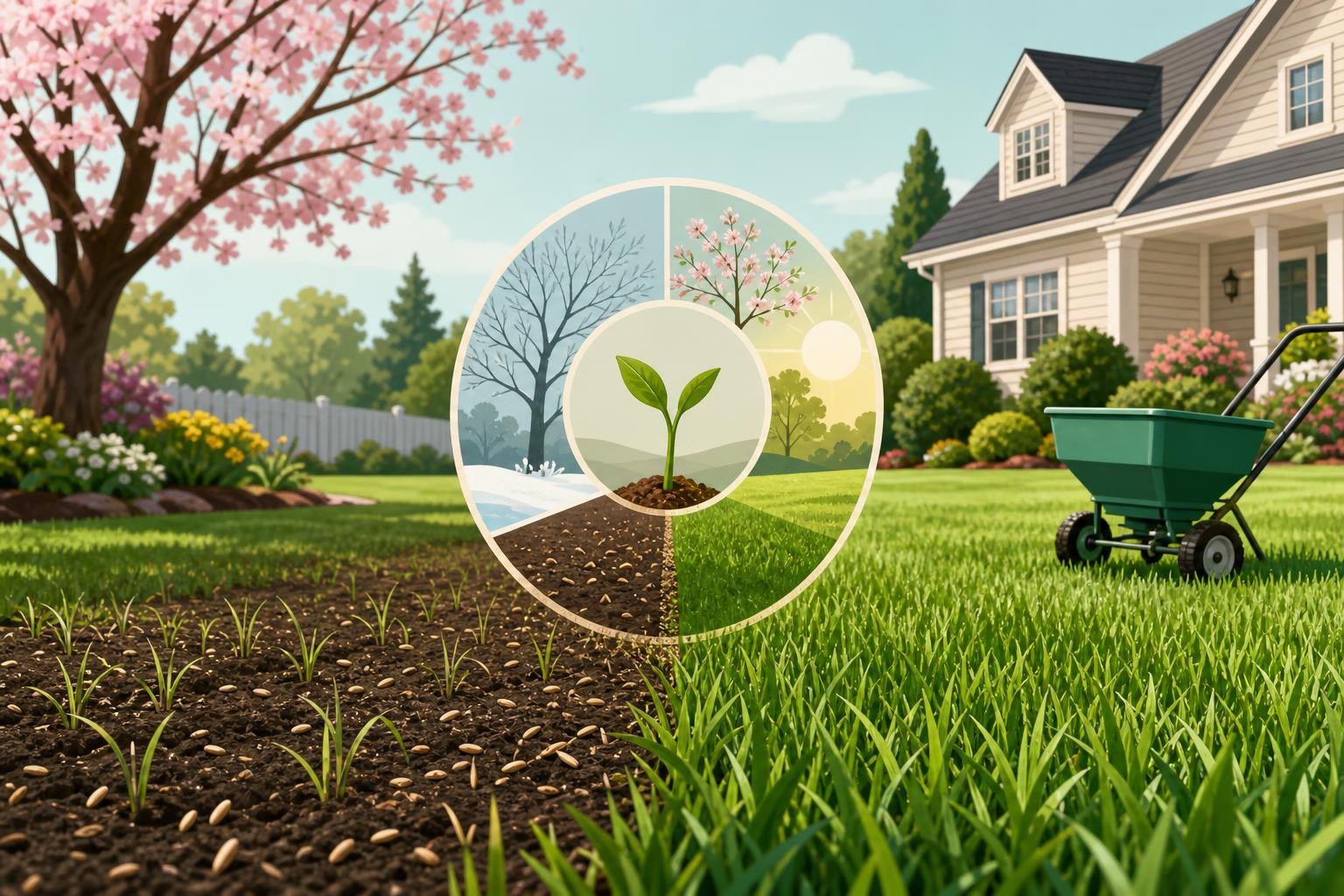
The best time to seed a lawn in spring depends on your grass type and local soil temperatures. For warm-season grasses common around Abilene, TX (like Bermuda and Zoysia), plan seeding in late spring once soil temperatures consistently reach about 65°F. For cool-season grasses, spring seeding is possible in early spring as soon as the soil can be worked, but fall is usually a better option.
What this means for homeowners
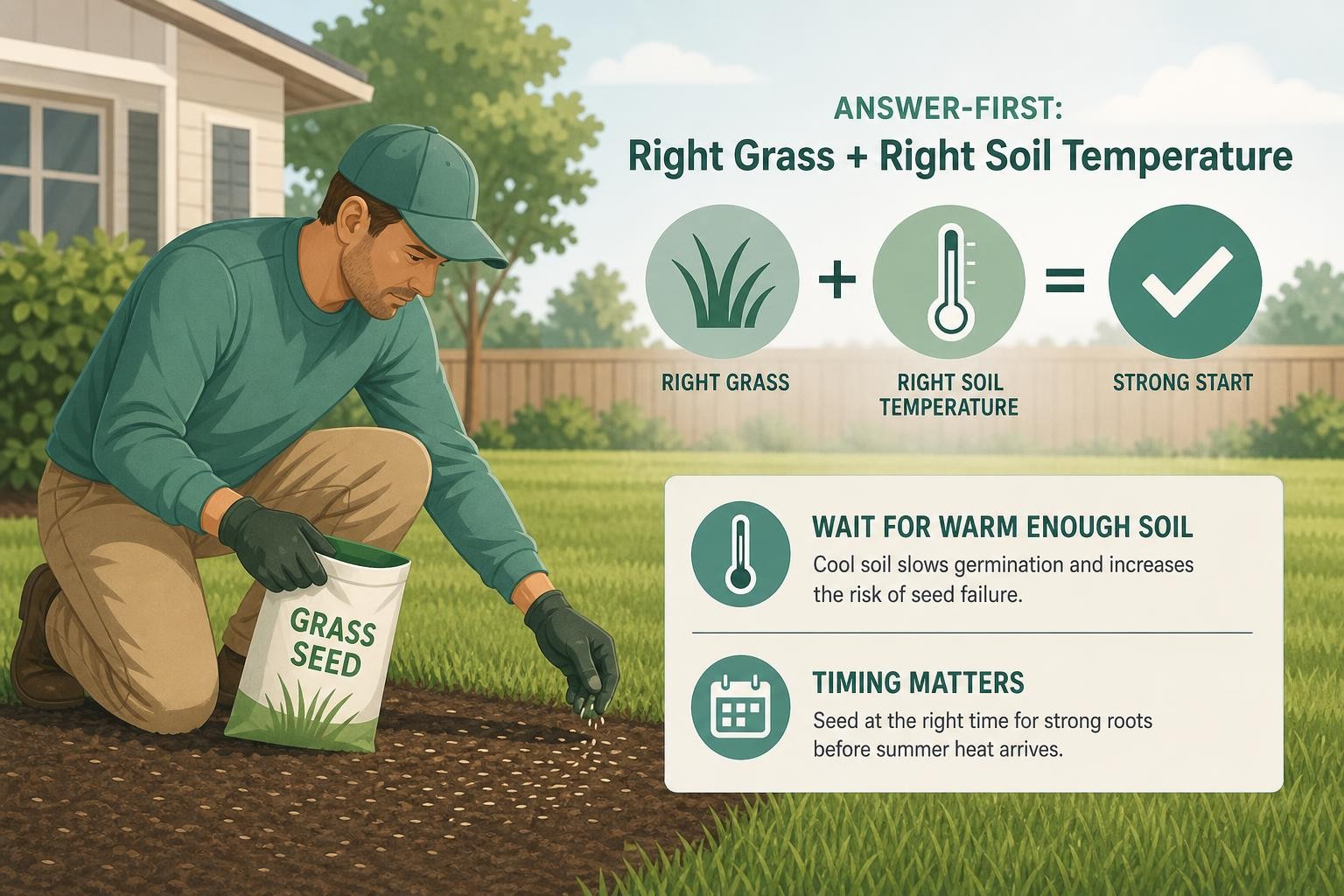
Answer-first: pick the right grass and wait for the right soil temperature. Seeding too early wastes seed and raises the chance of failure. Seeding too late leaves young grass vulnerable to summer heat and drought.
Key local takeaways for Abilene area lawns:
- Most lawns in Abilene are warm-season turf. Late spring seeding (April–May) is usually best.
- If you have cool-season grass (tall fescue, perennial rye), spring seeding can work in early March–April, but fall seeding gives stronger results.
- Overseeding timing follows the same rule: match the seed to your existing turf and seed when that species will germinate most reliably.
How to make the decision
Start with three quick checks:
- Identify your grass type. If you’re unsure, pull up a small plug or take photos of blade shape and color.
- Measure soil temperature. A simple soil thermometer works—seed warm-season grasses when soil is ~65–70°F at 2–3 inches deep.
- Check site conditions: compaction, thatch, bare spots, and drainage all affect success.
Steps to prepare and seed
Follow these homeowner-friendly steps for best results:
- Mow the lawn slightly lower than usual and remove clippings.
- If thatch is thicker than 1/2 inch, dethatch or rent a dethatcher.
- Aerate compacted areas before seeding—core aeration gives seed better contact with soil.
- Apply a starter fertilizer if a soil test shows it’s needed; avoid high-nitrogen lawn food before germination.
- Spread seed at the recommended rate for your grass variety, then lightly rake to ensure seed-to-soil contact.
- Topdress with a thin layer of compost or topsoil if your lawn has many low spots.
- Keep the surface consistently moist until seedlings are established—light watering 2–3 times daily at first, then gradually reduce frequency and increase depth.
Timing details and common questions
When to overseed lawn? For warm-season yards, overseed in late spring when the established turf begins active growth so new seedlings aren’t shaded out. For cool-season lawns, overseed in early fall.
When is the best time to aerate lawn? Aerate right before seeding when soil is moist and roots are about to grow: late spring for warm-season grasses, early fall for cool-season grasses.
When to spread lime on lawn? Only after a soil test recommends lime. In many cases lime is applied in fall or late winter; a spring application is possible if your soil test calls for it, but don’t lime and seed simultaneously without professional advice.
Practical checks you can do before scheduling lawn care
Before hiring anyone or buying seed, you can safely inspect these items yourself:
- Grass type: clip a square and examine blade width and growth pattern.
- Thatch depth: insert a screwdriver—if it’s hard to push in, you might need aeration.
- Soil drainage: after a heavy rain, see if water sits more than a day in low spots.
- Sun exposure: note which areas get 4+ hours of direct sun versus shade—seed mixes differ by light.
- Soil pH: a home kit or lab test shows whether lime or sulfur is needed.
If these checks raise questions, take photos and notes to share with a professional for a faster, more accurate plan.
When to call a professional
Call a pro if any of the following apply:
- You have more than a quarter-acre to seed or large bare areas.
- Soil is heavily compacted or has persistent drainage problems.
- There are ongoing pest, disease, or weed issues that could sabotage new seedlings.
- You want a guaranteed timeline and fewer callbacks.
- You need help selecting the right seed mix for Abilene’s climate and micro-conditions.
Local lawn care professionals can test soil, recommend a seed or sod option, and handle aeration, dethatching, and proper watering schedule. For help in Abilene, our lawn care team can evaluate your yard and give a written plan. Learn more about a local technician role and our services on the Lawn Maintenance Specialist Job Opening page, which also explains the skills we use in the field.
When this may not be the right service
Seeding in spring is not always the best choice. Consider alternatives if:
- You need immediate, full coverage—sod is faster though more expensive.
- Your lawn is dominated by weed or disease pressures—those should be addressed first.
- Your lawn is a cool-season turf and fall seeding would produce stronger roots before summer stress.
- There’s a forecast for an unusually hot, dry spring—delaying until stable conditions reduces failure risk.
Costs and expectations
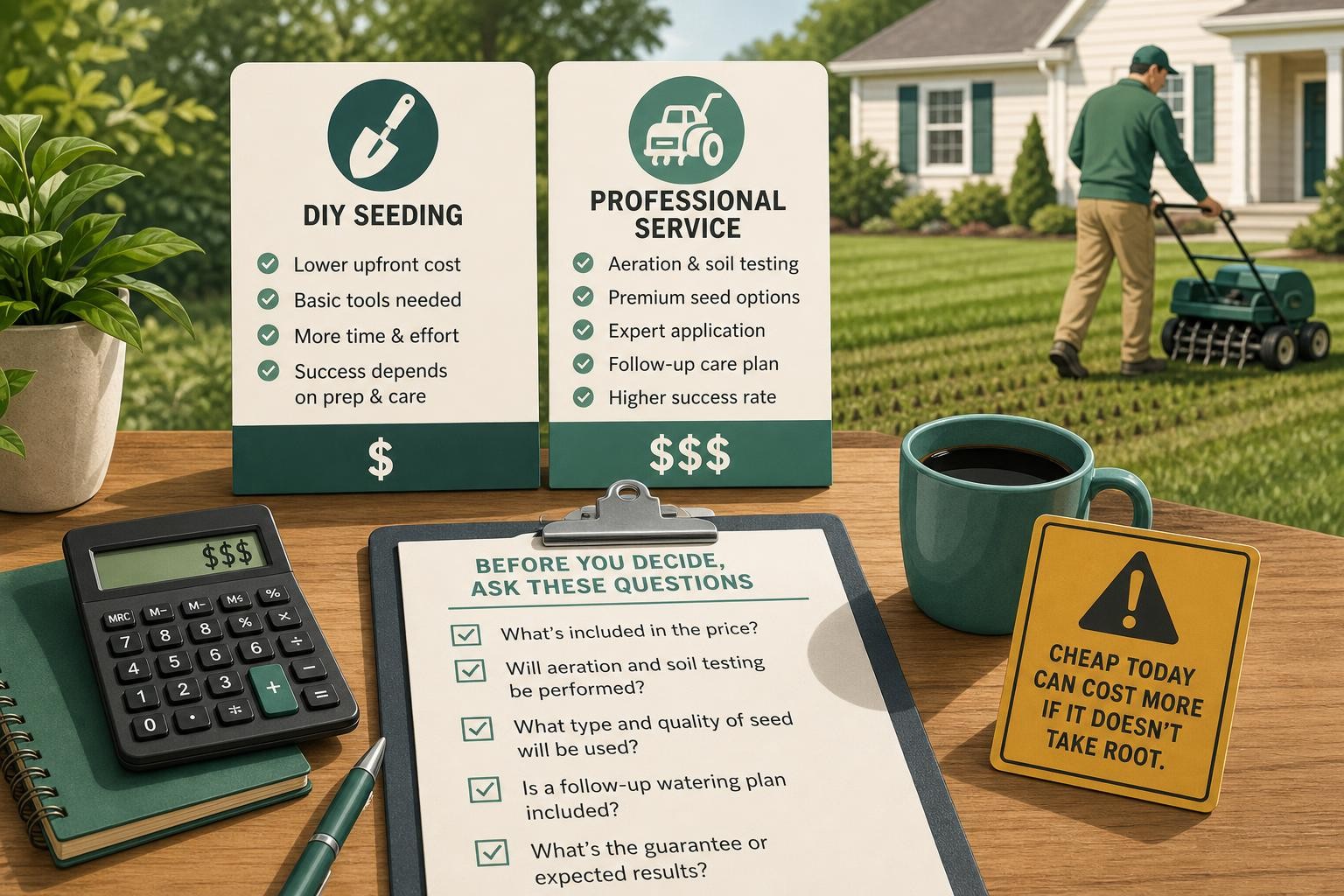
Cost varies by seed quality, lawn size, and prep work. DIY seeding on a small yard can be low-cost, but professional services that include aeration, soil testing, and follow-up watering plans cost more but improve success rates. If you’re comparing bids, ask each provider for a seed brand, germination timeline, and follow-up care instructions.
Does Abilene, TX change the answer?
Yes, climate matters. Abilene’s warm summers and transition-zone climate favor warm-season grasses. That means later spring seeding for best results. If your yard has cool-season pockets (shaded north-facing areas), you may still be tempted to seed in spring there—but know those areas will likely struggle through Texas summer without shade management or irrigation upgrades.
Frequently asked questions
What is the best time to seed lawn in spring?
For warm-season grasses common in Abilene, late spring when soil temps are around 65°F. For cool-season grasses, early spring as soon as soil is workable, though fall is usually better.
When should I call a professional for lawn care?
Call a professional for large jobs, compacted soil, drainage or pest problems, or if you want a guaranteed schedule and follow-up. Professionals can run a soil test and recommend the right seed or sod.
What can I check before scheduling lawn care?
Identify your grass type, check soil temperature, test pH, inspect for thatch and compaction, and note shaded vs sunny areas. Take photos to share with any contractor.
When is the best time to aerate lawn?
Aerate right before seeding: late spring for warm-season grasses and early fall for cool-season grasses. Aeration improves seed-to-soil contact and root growth.
When to spread lime on lawn?
Only if a soil test recommends it. Lime can be applied in fall, late winter, or spring depending on lab guidance. Don’t lime and seed without checking the test results.
For more context, review Lawn Maintenance Specialist Job Opening and Best Time To Overseed Lawn and FTC guidance on hiring a contractor before deciding what to do next.
Next steps and local resources
If you want a professional evaluation in Abilene, reach out to a local lawn care specialist. We can arrange a soil test and recommend seed, aeration, or sod based on your yard’s needs. Interested homeowners can view our Lawn Maintenance Specialist Job Opening to learn how we operate and the care standards we follow.
Before hiring a contractor, review basic hiring tips from the FTC to protect yourself and get written estimates.
Call to act: For an on-site consultation or to discuss seeding options for your lawn in Abilene, call (940)235-6789 or visit our Lawn Maintenance Specialist Job Opening page for more details and scheduling.
