



Best Time to Overseed Lawn
Overseeding is one of the most cost-effective ways to thicken thin turf, fill bare spots, and refresh your lawn without starting from scratch. Homeowners in Abilene and similar climates can get the most success if they choose the right time and follow a simple plan. This article answers the core question — what is the best time to overseed lawn — and gives step-by-step guidance, timing comparisons, and decisions for when to call a local lawn care pro.
When is the best time to overseed lawn?
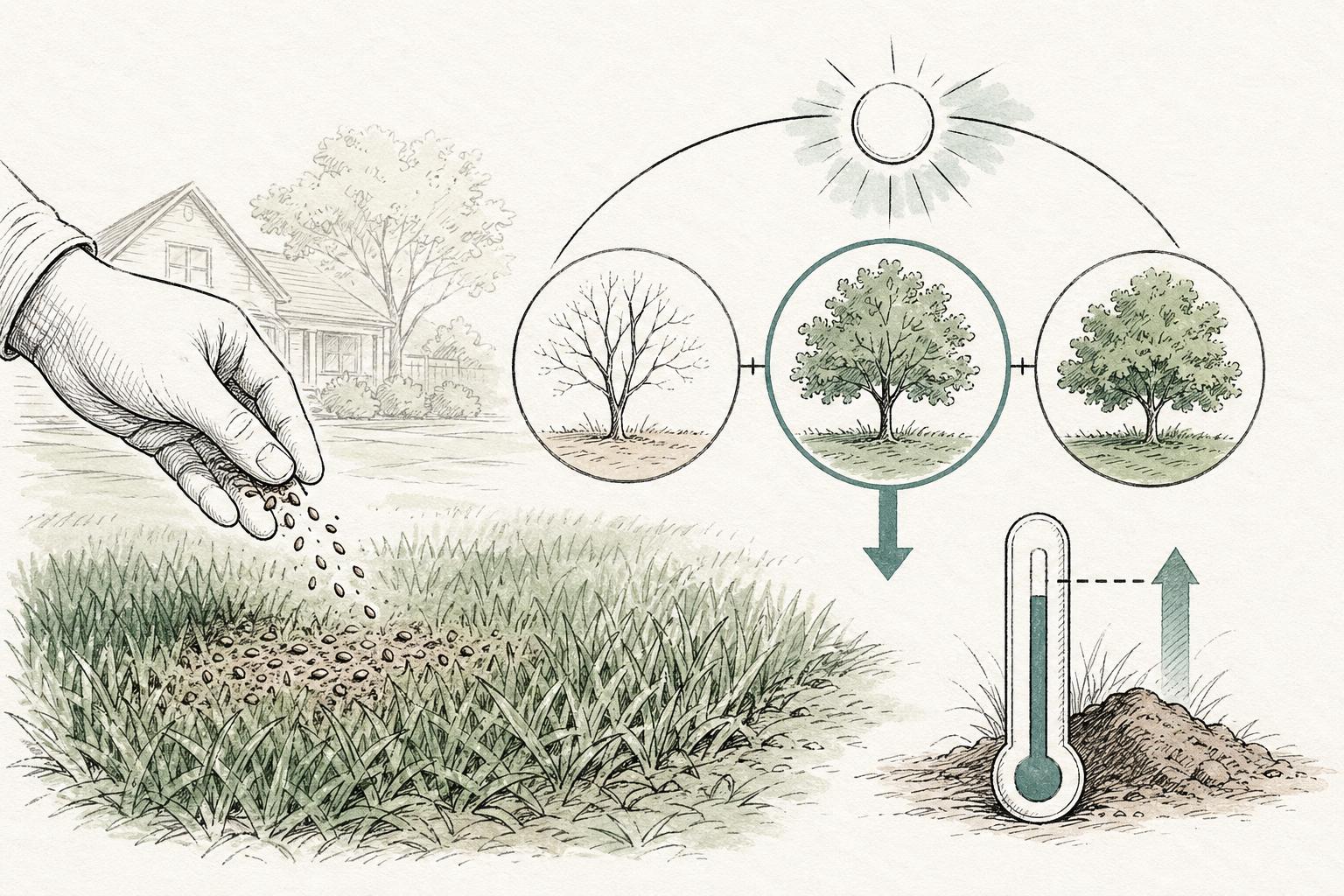
The best time to overseed lawn depends on your grass type and local climate. In Abilene, TX, warm-season grasses like Bermuda and zoysia are common. For those, late spring through early summer after the soil reaches consistent warmth is ideal. For cool-season grasses such as fescue and ryegrass, early fall — when temperatures are cooling but soil is still warm — is usually best.
Short rule: match seed timing to the grass’s active growing season. Give new seedlings two to three months of favorable weather to establish before the most stressful season (hot summer or cold winter) arrives.
Why timing matters
Seed germination, root growth, and competition with weeds all depend on temperature and moisture. Seed planted outside the grass’s active growth window struggles to establish, wastes seed, and invites weeds to fill gaps. Timing also affects the frequency and duration of watering and how you can manage mowing and traffic on the lawn.
Key timing factors
- Soil temperature: Most grass seeds germinate best when soil is consistently 50–65°F for cool-season grasses and 65–75°F for warm-season grasses.
- Weed pressure: Fall overseeding often beats spring because many weeds are less active and young grass doesn’t have to compete with crabgrass and other summer annuals.
- Rain and irrigation: Seed needs consistent moisture until established. Plan overseeding when you can water regularly or expect gentle rains.
How to prepare your lawn before overseeding
Good results begin with prep. Proper preparation improves seed-to-soil contact and raises germination rates.
Simple prep checklist
- Mow the lawn shorter than usual — about 1.5–2 inches for warm-season grasses, and 2–2.5 inches for cool-season — to let seed reach the soil surface.
- Rake or dethatch areas with heavy thatch (more than 1/2 inch). Thatch blocks seed and moisture.
- Core aerate compacted sections to improve soil contact and root growth.
- Remove debris and clippings; a clean surface boosts seed-soil contact.
- Test soil if possible. A pH and nutrient check tells you whether lime or fertilizer is needed first.
If you need help with mowing or aeration equipment, local lawn mower services or rental centers can help. For ongoing care, Abilene Home Services offers professional Lawn Mowing services in Abilene and overseeding as part of our lawn care packages.
Overseeding step-by-step
Follow these steps on a calm day with a clear week of predictable weather.
1. Choose the right seed
Pick seed that matches your existing lawn. Mixing cool- and warm-season seeds generally fails because their peak growing seasons don’t match. Use certified seed blends and check the label for purity and germination rates.
2. Spread seed evenly
Use a broadcast spreader for large yards or a handheld spreader for small patches. Apply at the recommended rate on the seed bag; more is not always better. Over-seeding too thickly can create competition and disease issues.
3. Improve seed contact
Lightly rake the seeded area or follow with a drop spreader to press seed into the soil. A thin layer of topdressing (1/8–1/4 inch compost or screened topsoil) helps retain moisture and protects seed from birds.
4. Water frequently, then taper
Water lightly 2–3 times daily to keep the topsoil moist for the first 10–21 days, depending on temperature and seed type. Once seedlings reach about an inch, reduce to deeper, less frequent watering to encourage roots to grow down.
How much does overseeding cost?
Costs vary by lawn size, seed type, and whether you hire a pro. Typical DIY costs for seed, compost, and rental equipment range from $50–$250 for a small yard. Professional overseeding packages, including aeration and fertilization, commonly run $0.05–$0.25 per square foot in many markets.
For a reliable estimate tailored to an Abilene lawn, contact a local technician. Abilene Home Services can provide a free onsite evaluation and a clear, written estimate. If you decide to hire a contractor, check local references and follow basic hiring guidance from the FTC on choosing contractors.
FTC guidance on hiring a contractor is a good place to start when comparing quotes and checking credentials.
Grass type timing guide
Here’s a quick cheat-sheet based on common turf types. Adjust slightly for local microclimates.
- Bermuda and Zoysia (warm-season): Best time is late spring to early summer when soil temps stay above 65°F and active growth is underway. Warm-season lawns seeded in late summer risk winter establishment problems.
- Tall Fescue and Kentucky Bluegrass (cool-season): Best time is early fall (late August to October) when nights cool, days are still warm, and weeds slow down.
- Perennial Ryegrass: Often used as a quick germinating overseed in fall or early spring to provide fast cover while slower grasses establish.
Aftercare and mowing
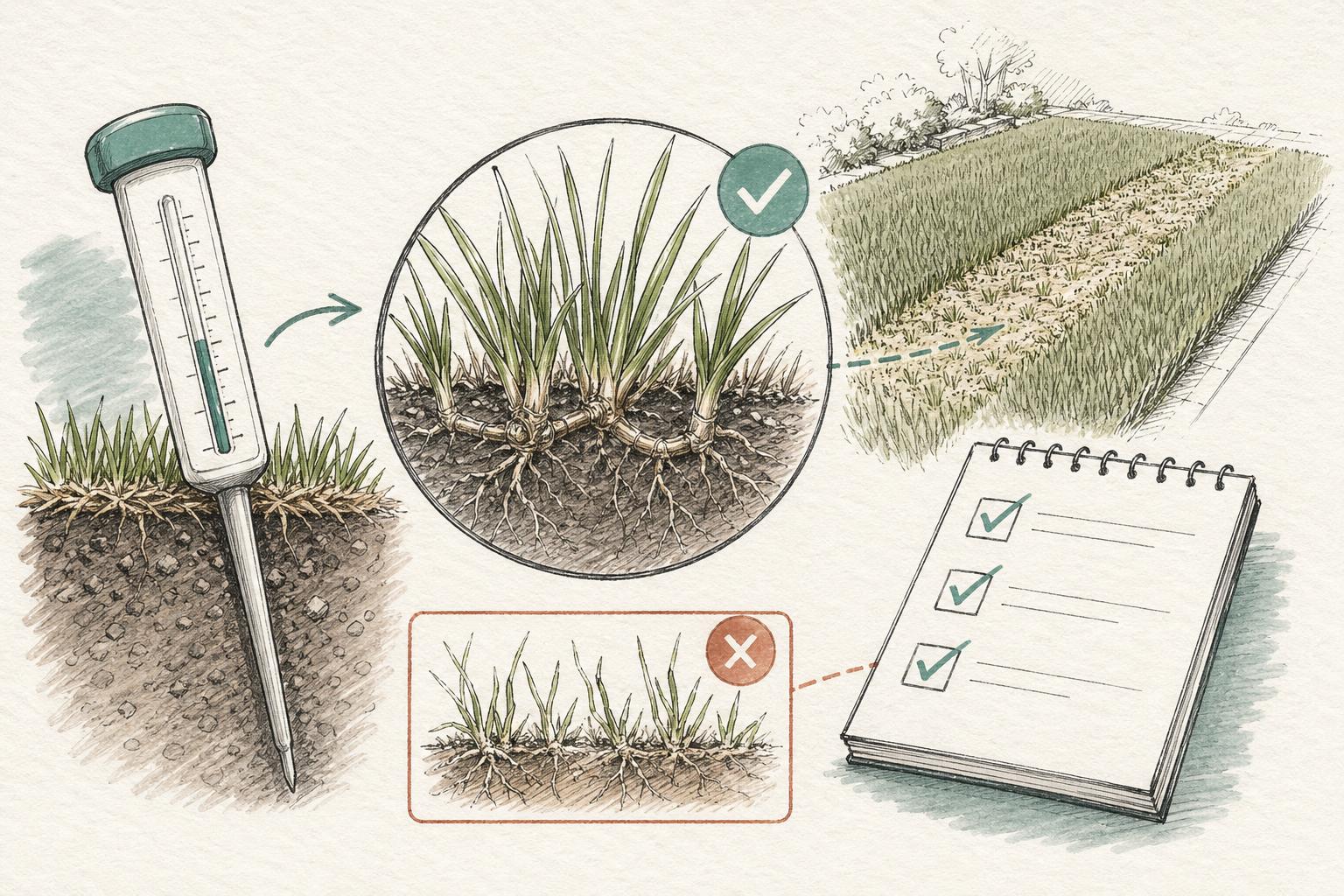
New grass needs protection and light use for the first 4–6 weeks. Keep pets off the newly seeded areas and avoid heavy foot traffic. Mow when seedlings reach about 3 inches; set your mower to remove only the top third of the blade height.
Fertilize only with a starter fertilizer formulated for new seed, and follow label rates. Over-fertilizing can scorch seedlings and damage roots.
When to call a lawn care professional
Hire a pro when you don’t have time, lack equipment, or want a guaranteed schedule for watering and follow-up care. Consider professional help if:
- Your lawn has widespread bare spots or serious compaction.
- You need aeration equipment or professional topdressing to improve soil.
- You prefer a full-service package that includes mowing, weed control, and overseeding timed for best results.
Abilene Home Services offers overseeding integrated with core aeration and regular maintenance so seedlings get the best chance to establish. We also coordinate cleanup for yard debris before seeding — if you need that, our junk removal services can clear the area quickly.
Quick answers to common follow-ups
Can I overseed in spring?
Yes, for cool-season lawns early spring can work but expect higher weed competition. For warm-season lawns, spring overseeding can be effective once soil is warm and turf is actively growing.
How long until I see results?
Germination typically appears within 7–21 days depending on seed and temperature. Expect visible thickening over 6–12 weeks as roots strengthen.
What about overseeding over existing weeds?
Ideally control aggressive weeds before seeding. Some herbicides require a waiting period before reseeding. If you’re unsure, a professional can advise on safe timing.
Conclusion
The best time to overseed lawn depends on matching seed to your grass type and local weather. In Abilene, warm-season grasses respond best to late spring–early summer seedings, while cool-season grasses do best in early fall. Proper prep, seed choice, and consistent watering are the practical steps that make the difference between a wasteful attempt and a thick, healthy lawn.
If you’d rather leave the work to a local team, Abilene Home Services can handle aeration, overseeding, starter fertilizer, and ongoing maintenance. For a free evaluation and price, call (940)235-6789 or check our full Lawn Care services to learn more.