



Best Time to Overseed Lawn
Overseeding is one of the most effective ways to improve a thin, patchy lawn. If you’re asking “what’s the best time to overseed lawn?” this guide answers that clearly and helps you decide whether to tackle it yourself or call a pro in Abilene, TX. You’ll get timing windows, step-by-step prep, seed and soil tips, cost estimates, and decision criteria for hiring a service.
Quick answer: when to overseed
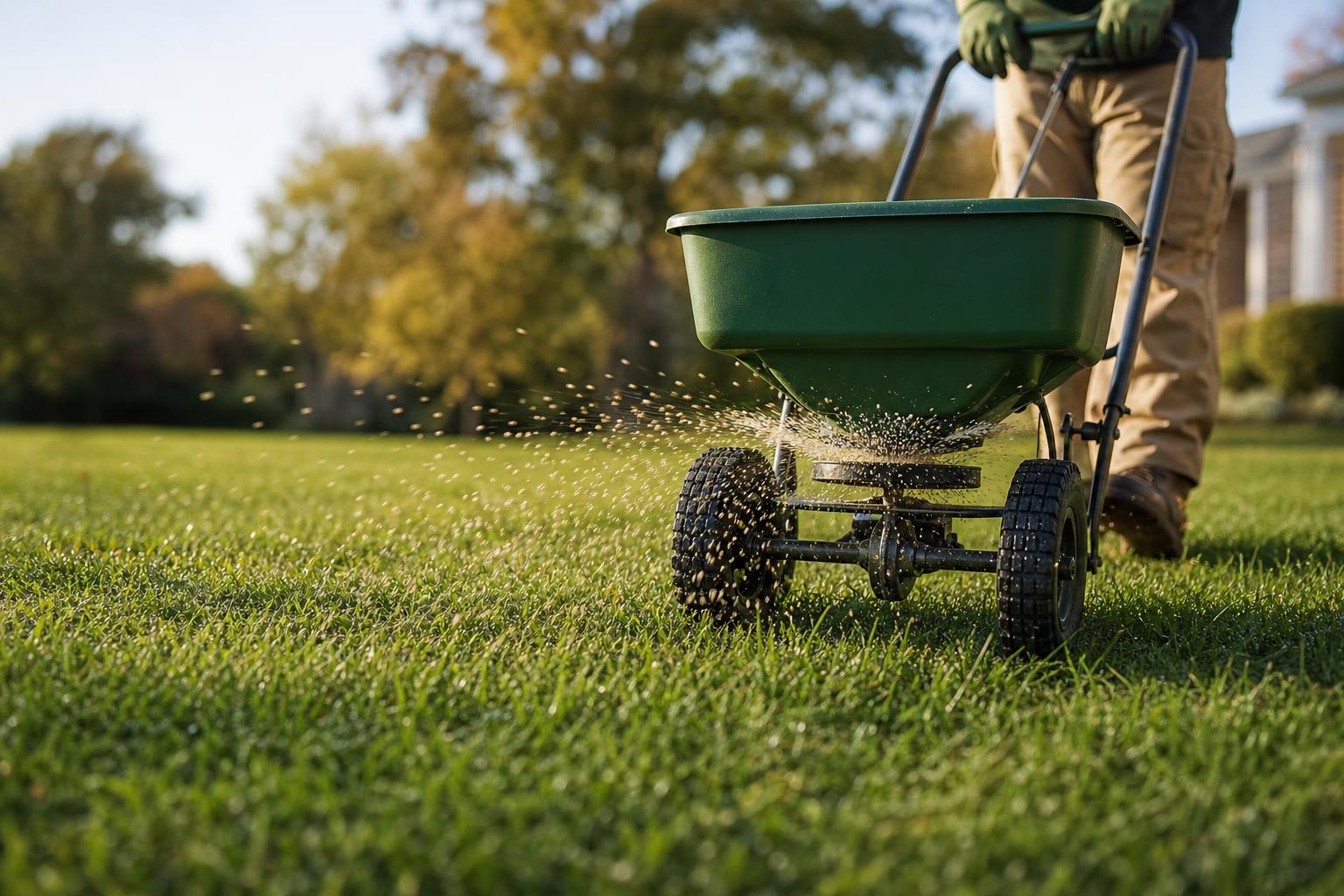
Short version: the best time to overseed lawn depends on the grass type. For cool-season grasses (fescue, rye), overseed in early fall (late August to mid-October). For warm-season grasses common in Abilene (Bermuda, zoysia), overseed with warm-season seed in late spring to early summer when soil temperatures consistently reach about 65–70°F. If you want winter green-up, consider dormant overseeding with annual ryegrass in early fall.
Why timing matters
Seed needs soil warmth, moisture, and low competition from weeds to germinate and establish. Plant at a time when seedlings have weeks of ideal conditions before heat stress or frost. Plant too early and weeds or cold will outcompete new grass. Plant too late and seedlings won’t root before winter or summer heat.
Local context: Abilene, TX and lawn types
In Abilene many homeowners have warm-season lawns like Bermuda or zoysia. Those species green up in spring and thrive in summer heat. That means the best time to overseed lawn in Abilene with warm-season seed is late spring into early summer. If you want green winter color, people often overseed with annual ryegrass in the fall—but that’s a temporary cover until warm-season grass returns in spring.
Timing windows by grass type
- Warm-season grasses (Bermuda, Zoysia): Late spring to early summer when soil temps are 65–70°F. In Abilene, that is often May–June.
- Cool-season grasses (Tall Fescue, Kentucky Bluegrass): Early fall (late August–October) is ideal. Spring overseeding is possible but fall gives better establishment.
- Dormant overseeding (winter rye): Early fall (September) for winter color if you want green winter turf; seedlings will usually die back when summer heat returns.
Deciding factors: soil temperature, irrigation, and weeds
Check these before you seed:
- Soil temperature: Use a soil thermometer. Warm-season seed needs soil in the mid-60s°F and above.
- Irrigation availability: New seed needs frequent light watering for 2–4 weeks. If you don’t have a reliable irrigation schedule, wait or hire a crew that can follow a watering plan.
- Weed pressure: If your lawn is full of weeds, consider a spring or fall clean-up and weed control program before seeding. Herbicide timing can affect when you should seed.
Step-by-step overseeding plan (DIY or supervisor)
- Address the problem: Walk the yard and mark bare spots, compacted areas, and heavy shade. Compact soil and shade change your seed choice and success rate.
- Test soil: A simple pH and nutrient test shows if lime or fertilizer is needed. You can buy a kit or send a sample to a local extension service.
- Mow and dethatch: Mow shorter than normal to help seed reach soil. Remove excess thatch with a rake or dethatcher—thatch thicker than 1/2″ blocks seed contact.
- Aerate if needed: Core aeration helps roots and seed contact. Aerate compacted lawns or those with heavy foot traffic.
- Spread seed: Use a broadcast spreader for even coverage. Apply the recommended rate on the seed bag.
- Topdress and press seed: Lightly rake or topdress with a thin layer of compost or topsoil, then roll or press to ensure seed-soil contact.
- Water carefully: Keep the seed zone moist with short, frequent watering until seedlings are established, then gradually reduce frequency and increase depth.
- First mow: Wait until grass reaches mowing height. Use a sharp blade and don’t remove more than one-third of the blade.
Seed selection and rates
Pick seed made for your climate and light conditions. For Abilene lawns:
- Bermuda seed: Choose certified hybrid or common Bermuda. Use higher rates for patching, lower for overseeding an existing stand.
- Zoysia: Slower to establish; consider sod or plugs for large areas, or seed with patience and frequent watering.
- Fescue and Rye: For cool-season lawns or winter overseed, use turf-type tall fescue or annual ryegrass accordingly.
Follow the bag’s directions for pounds per 1,000 sq ft. Too little seed wastes time; too much creates crowding and disease.
Cost comparison: DIY vs hiring a professional
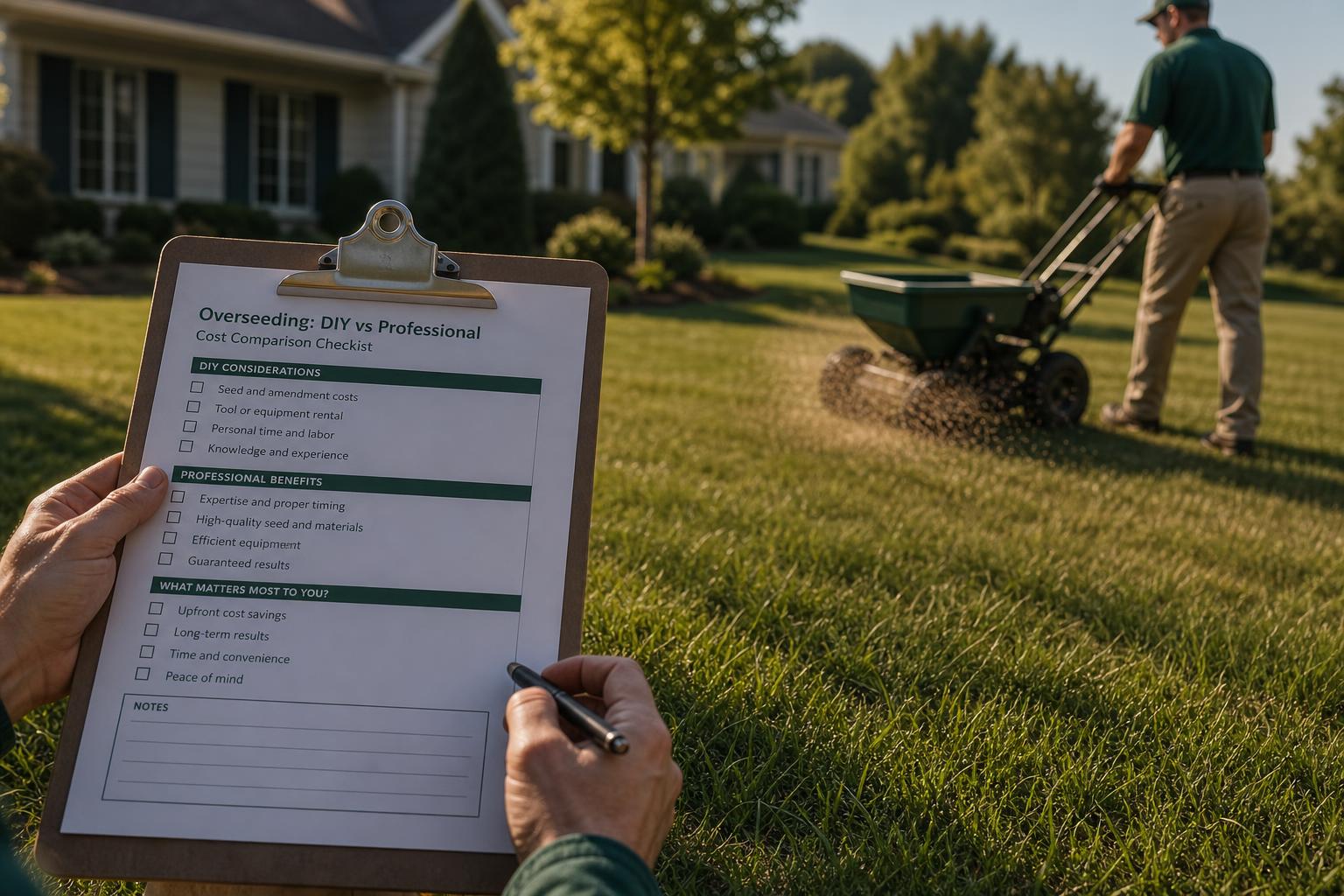
Costs vary by yard size and scope. Ballpark figures:
- DIY seed packages: Seed costs range from $10–$40 per 5–10 lb bag depending on type. For 1,000 sq ft expect $20–$60 for seed plus $20–$50 for soil amendments and rental tools if needed.
- Professional overseeding: Hiring a lawn care company typically costs $100–$400 per 1,000 sq ft depending on prep (dethatch, aerate), seed quality, and watering/guarantees. In Abilene, local rates may be toward the lower end, but get estimates.
Choose a pro if you lack time, equipment, or consistent irrigation. Professionals can time application, control weeds, and provide follow-up watering and guarantees.
When to call a pro (and what to ask)
Call a lawn care company if:
- Your lawn is large and you don’t have time or equipment;
- You need core aeration, extensive dethatching, or regrading;
- There’s heavy weed or pest pressure that needs treatment before overseeding;
- You want a performance guarantee and follow-up care.
When hiring, ask for written details: seed variety and rate, soil prep steps, irrigation plan, follow-up visits, and a clear price. If you’re unsure how to evaluate contractors, read the FTC’s guidance on hiring a contractor for trustworthy tips before you sign a contract.
Common mistakes to avoid
- Seeding at the wrong time: Planting warm-season seed too early in spring or cool-season seed too late in fall reduces success.
- Skipping soil prep: Seed needs contact with soil—don’t skip dethatching or aeration when necessary.
- Overwatering or underwatering: Both hurt seedlings. Keep soil moist, not waterlogged.
- Expecting immediate perfection: Overseeding improves density, but it won’t instantly replace dead turf—repair those areas separately if needed.
Simple checks you can do right now
- Measure soil temperature with a thermometer near the root zone.
- Walk the yard after rain—if water puddles, you may need aeration or drainage fixes.
- Do a quick tug test: pull a clump of grass. If roots come out easily, the lawn may be stressed and need treatment before overseeding.
Case example: Overseeding a small Abilene front yard
Scenario: 1,200 sq ft Bermuda lawn with thin patches after winter. Best approach: late May overseed with certified Bermuda seed after core aerating and dethatching. Apply 3–5 lbs per 1,000 sq ft, light topdress, and keep seed zone moist with 3–4 light irrigations per day for two weeks. Mow at 1–1.5″ when established. If you don’t have time, a local crew can handle aeration, seeding, and a two-week follow-up water schedule.
Conclusion: plan your overseed around grass type and resources
The best time to overseed lawn depends on the grass you have and the conditions you can provide. For Abilene’s warm-season turf, plan late spring to early summer overseeding. For cool-season lawns or winter color, use early fall. If you need help with prep, irrigation, or a reliable follow-up plan, consider hiring a local lawn care crew.
Ready to get a thicker lawn without wasted time? Abilene homeowners can schedule a free quote for overseeding, aeration, and follow-up care with Abilene Home Service. Check our Lawn Mowing page for routine maintenance options and learn more about our full lawn care services to plan a season-long approach to a healthier yard. Or call (325) 238-9826 to speak with our team and set up an on-site consultation.
Before you hire anyone, review the FTC’s tips on how to hire a contractor so you get clear estimates and a written agreement that matches your expectations.
Useful links:
- Lawn Mowing — regular mowing schedules that pair well with overseeding plans.
- Lawn Care Abilene Tx — full-service lawn programs including aeration, overseeding, and weed control.
Abilene Home Service provides lawn care in Abilene, TX and surrounding neighborhoods. Call (325) 238-9826 to request an overseeding estimate or to schedule seasonal lawn care.